

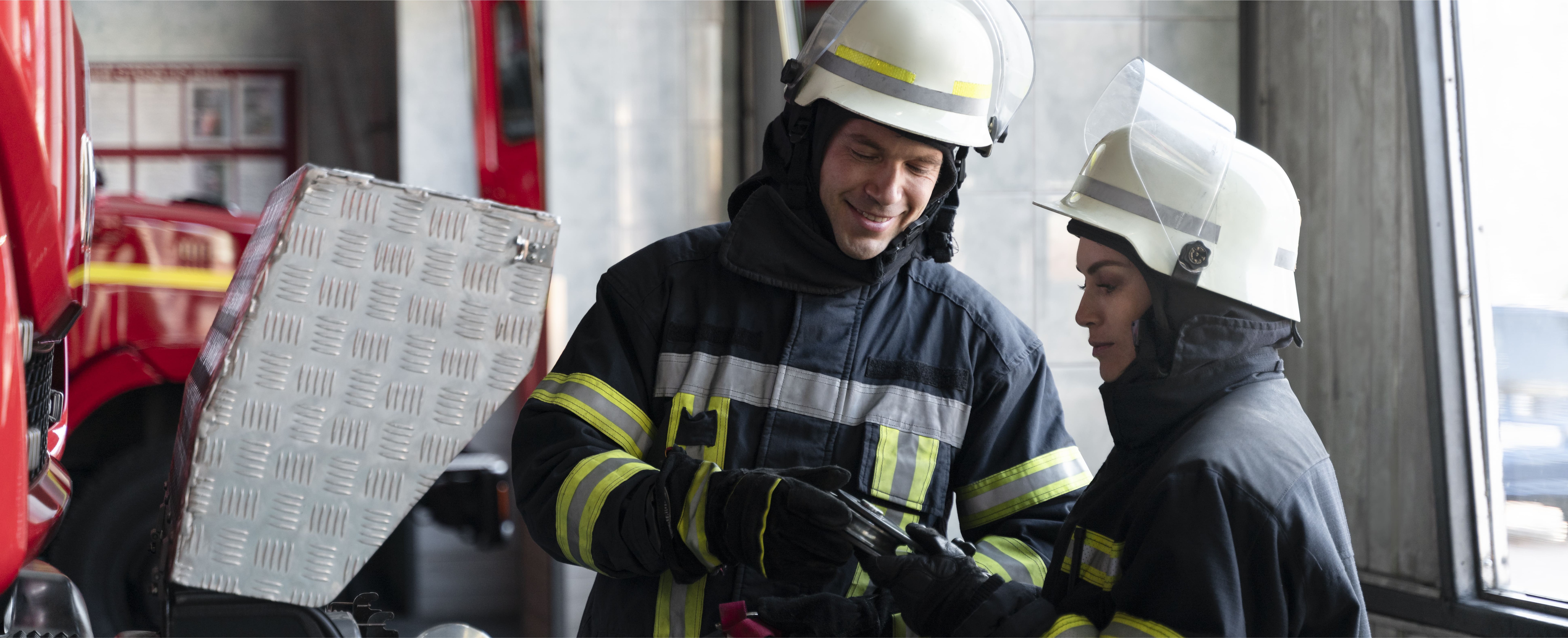
Firefighters face risks every single day and not just from the flames.
Long hours, toxic exposure, and the physical strain of the job often leave lasting marks that show up years later, sometimes right before retirement.
That’s why understanding your rights under California’s workers’ compensation system is crucial. In this week’s episode of Work Comp Talk, attorney Shane O’Donnell joins host Carmen Ramirez to break down the unique benefits and presumptions that protect firefighters, and the common mistakes that could cost them their case.
In this blog, we’ll dive deeper into each of these points, so keep reading.

1. Firefighters Have Special Protections Under the Law
Unlike most workers, firefighters in California have something called presumptive conditions.
That means if you develop certain illnesses, like cancer, heart disease, or lung conditions, the law presumes they are work-related. You don’t have to prove it happened on the job.
“Firefighters and peace officers face known dangers. The law recognizes that and gives them special presumptions to protect their health and career,” explains Shane.
But there’s a catch: you still need information to trigger that presumption: medical records, exposure history, or a doctor’s note linking your condition to your work environment.
2. Speak Up Early. Don’t Wait Until It’s Too Late
Many firefighters stay silent about their symptoms out of fear of losing work or being taken off duty.
It’s understandable, nobody wants to be benched. But delaying that report can hurt your claim later.
“You’re not a doctor, your opinion doesn’t matter unless you make it matter,” says Shane. “You need medical confirmation that your injury or illness is work-related.”
That confirmation, when a doctor says your condition is connected to work, is the legal moment your injury “exists” under workers’ comp law. Waiting too long to report it can make your employer question your credibility or deny your benefits.
3. See the Right Doctor (Not Just the One They Send You To)
This is one of the most common mistakes injured firefighters make.
You’re allowed to choose your own doctor, and often you should. The first doctor the city or department sends you to may not understand your line of work or may minimize your injury.
If your doctor isn’t giving you the restrictions you need, or your employer keeps questioning your work status, it’s time to switch doctors.
Ask around. Many departments have physicians who specialize in treating first responders. Working with someone who understands your job, can make all the difference.
You may also like: Fire Smoke Effects on Firefighters' Lungs in California
4. How Retirement and CalPERS Connect to Workers’ Comp

Your workers’ compensation claim and your CalPERS retirement are two separate systems, but they can directly impact each other.
If your work-related injury or illness leads to a lasting disability, you may qualify for Industrial Disability Retirement (IDR) through CalPERS. This benefit can provide at least 50% of your salary, and in many cases, it’s tax-free.
“I’ve had clients who qualified for 50% rather quickly thanks to strong medical documentation,” Shane explains. “Each case is different, but it’s absolutely possible.”
While CalPERS (California Public Employees’ Retirement System) and workers’ comp operate under different rules and review processes, your workers’ comp evidence (medical reports, restrictions, and permanent disability findings) can strengthen your IDR application. The more consistent and well-documented your case is, the smoother your retirement process will be.
Keep in mind that these cases are fact-sensitive and often reviewed by separate medical evaluators, not just your workers’ comp doctors. That’s why getting proper legal and medical guidance early on is key to securing both your benefits and retirement peace of mind.
5. Protect Yourself Now, even If You’re Not Retiring Yet
The biggest takeaway? Don’t wait for retirement to start documenting your injuries.
Whether it’s back pain from years of wearing heavy gear, breathing issues from exposure, or joint pain after countless calls, every note matters.
Start keeping records. Talk to your doctor. And if something feels off, say something early.
Because at the end of the day, protecting your health also protects your career and your family’s financial future.
Final Thoughts
Firefighters give everything to their communities but often don’t realize how much the system owes them in return.
If you’re a firefighter dealing with an injury, or you’re getting close to retirement and want to understand your options, don’t wait.
Reach out to a legal team that understands firefighter presumptions, workers’ comp rights, and retirement benefits under California law.
👉 Watch the full episode: “Firefighters’ Rights: What You Don’t Know About Workers’ Comp” on Work Comp Talk’s YouTube channel.
Visit pacificworkers.com, the lawyers for injured workers, or call 800-606-6999 to get a free consultation.

 Bilal Kassem Presidente y Cofundador
Bilal Kassem es cofundador de Pacific Workers y ha sido nominado como Abogado del Año en representación de los trabajadores. Con una profunda vocación por ayudar a quienes han sufrido una lesión laboral, lidera con empatía y motiva a su equipo a ofrecer un servicio de primer nivel desde el primer contacto.
Throughout his career, Bilal has represented hundreds of firefighters, peace officers, and public servants in complex workers’ compensation cases. His deep understanding of the presumptive laws that protect these first responders, and his ability to connect each personal story to the law, has made him a respected voice in advocating for those who risk their lives for others. His dedication to justice and legal education continues to inspire the entire Pacific Workers community.