

What Workers and First Responders Need to Know About Burns, Trauma, and Workers’ Comp Rights
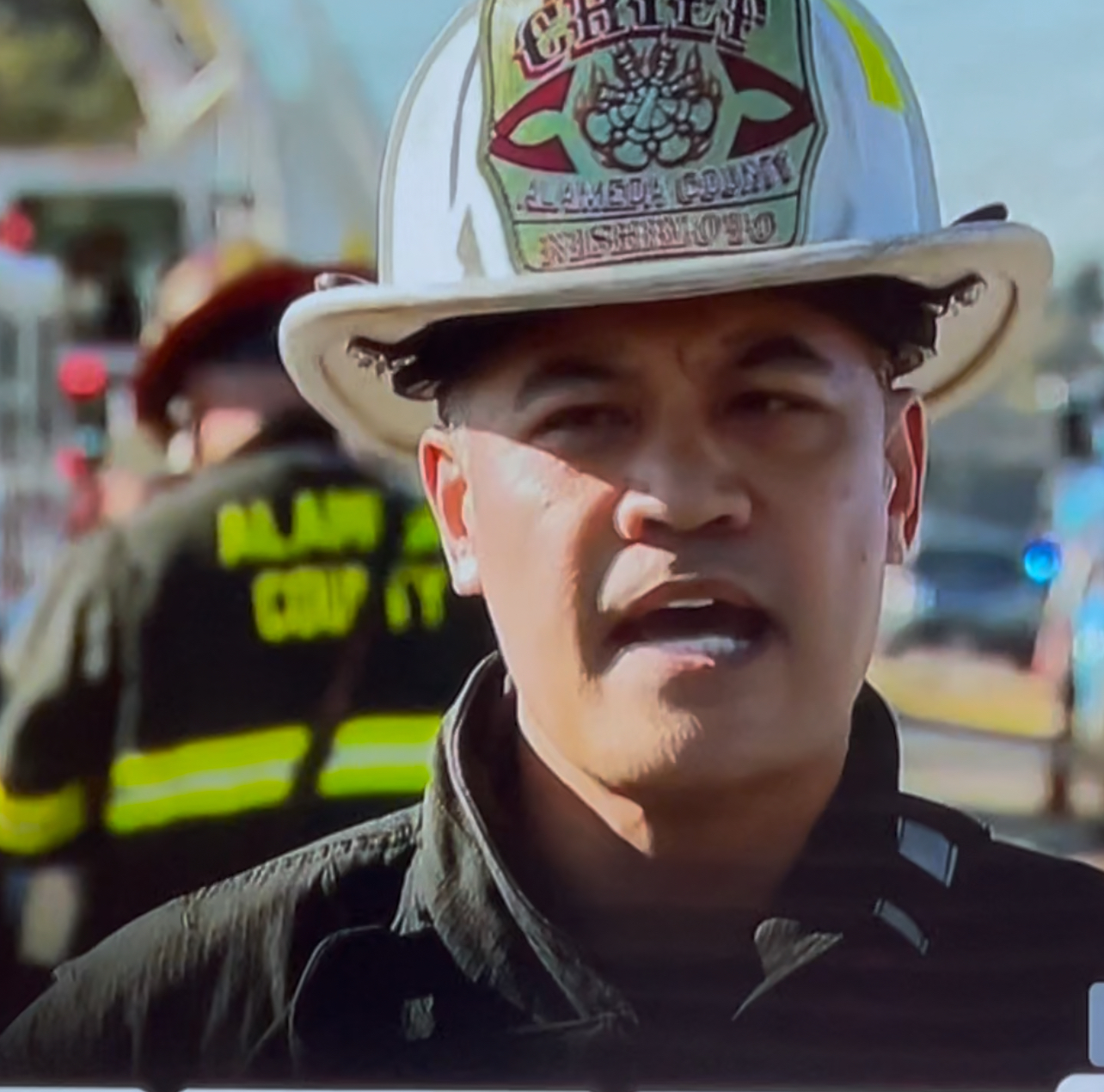
On Thursday morning (Dec 11, 2025), emergency crews rushed to the 800 block of Lewelling Blvd. in Hayward, California, after reports of a possible explosion followed by a structural fire. Early footage showed heavy smoke, firefighters on scene, and several individuals being placed on stretchers.
Authorities have now confirmed that six people were injured, with two of them being workers who were reportedly on-site during the incident. The extent of the injuries remains unknown, and several victims were seen being transported on stretchers for medical care.
Early findings suggest that a construction crew accidentally struck an underground gas line while digging, causing a violent release of gas that may have ignited moments later. PG&E stated that the damaged line was located directly beneath the work zone on Lewelling Blvd., adding complexity to an already tragic situation.
@ktvu2 WATCH: Video shows the moment an explosion occurred Thursday morning in a Hayward neighborhood. The explosion and fire happened just after 9:30 a.m. near the 800 block of Lewelling Boulevard.
Video credit: TikTok user @KTVU2 – “Video: Explosion in Hayward Neighborhood.”
As firefighters worked to contain the scene, the situation highlighted a reality many forget until tragedy strikes: unexpected injuries at work can happen anywhere, at any time, and often without warning.
Unexpected Workplace Injuries: A Real and Immediate Risk
Incidents like today’s remind us that danger is not limited to “high-risk” jobs. Whether you’re a construction worker, warehouse employee, retail worker, or delivery driver, accidents can occur in seconds, and the injuries can be severe.
Common unexpected workplace injuries include:
Burns from fire, explosions, electrical malfunctions, or chemicals
Crush injuries caused by structural collapse or heavy machinery
Smoke inhalation
Traumatic injuries such as fractures, concussions, or spinal damage
First responders, especially firefighters, face even greater risks. Burns, heat exposure, collapsing structures, and toxic fumes are all part of their daily reality and when they get hurt, they deserve the same legal protections as any other California worker.
You may also like: Don't Get Burned - Understanding Wildfire Workers Comp in CA
How Workers’ Compensation Protects Injured Workers in California
In California, any employee injured on the job (including firefighters) is legally entitled to workers’ compensation benefits, regardless of who was at fault.
Workers’ comp may cover:
All medical treatment related to the injury (ER visits, surgeries, rehab, medications)
Temporary disability payments while you cannot work
Permanent disability benefits, if the injury affects your long-term abilities
Reimbursement for transportation to medical appointments
Job protections, such as the right to seek treatment and report injuries without retaliation
But many injured workers don’t realize that insurance companies often delay, deny, or undervalue claims, especially in complex cases involving burns, crush injuries, or multi-employee incidents.
That’s why getting clear information and proper representation can make all the difference.
If You Were Hurt in the Hayward Explosion or Any Similar Workplace Accident
If you or a loved one suffered injuries in this event, or if you’ve been hurt in any unexpected workplace accident, whether through a fire, explosion, equipment failure, or building collapse, you are not alone.
You have rights, and help is available.
Visit www.pacificworkers.com or call 800-606-6999 for a free consultation. We help injured workers across California understand their benefits, protect their claims, and get the medical care and compensation they deserve.
Your safety comes first, and your story matters.