

Understanding Workplace Exposure Concerns After Recent Air Quality Events in Benicia
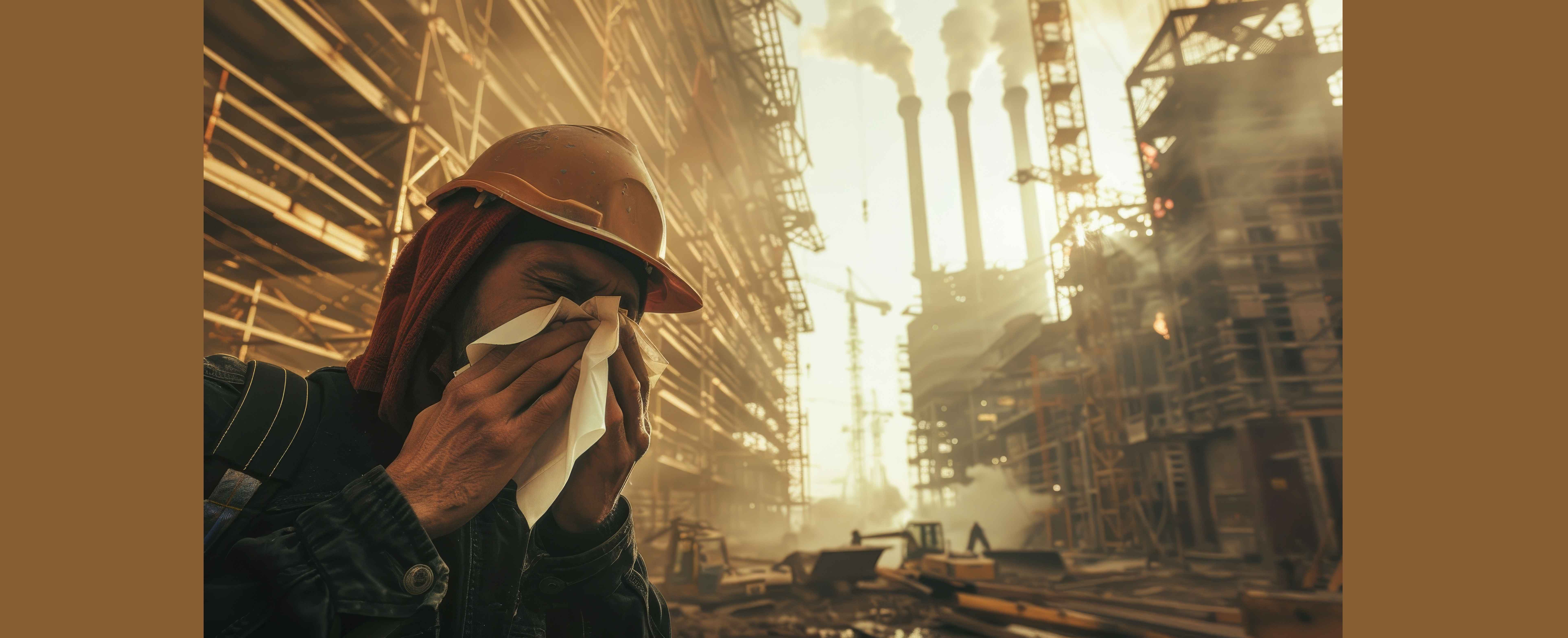
Black Smoke was seen shooting out and raining recently at the Valero refinery in Benicia. However, it is no surprise that the Industrial facilities occasionally experience operational events that release visible emissions, odors, or as seen recently in videos, soot.
As an employee, you might have questions about what you have experienced, how to document it, and where to find reliable information, especially if you’ve been affected while on the job.
This guide was created to help refinery workers recognize environmental changes at work, document observations, and access public resources. It also provides information about workers’ protections and guidance on the next steps if you have concerns.
Note: This article is informational and does not provide legal or medical advice.
1. What Are Industrial Air Quality Events?
Industrial air quality events can happen for a range of operational reasons, including flaring, equipment malfunctions, or planned maintenance activities. During these times, you may notice:
- Unusual odors
- Visible smoke, soot, or residue
- Increased flaring
- Changes in the color or quantity of emissions
These events are typically monitored by local and state environmental agencies, and public notifications may be issued depending on severity.
2. What Workers Commonly Notice During Air Quality Events

As an employee working near an industrial site such as the Valero refinery in Benicia, you may notice environmental changes during or after a release. This includes:
- A strong or unusual smell while on the job
- Dust, soot, or residue appearing on your clothing, face, or equipment
- Irritation or discomfort caused by odors
- Discomfort or irritation caused by odors
- Visible plumes or flares from nearby facilities
It is important to remember that these are general observations and not indicators of medical conditions.
You may also like: How Much Is a Serious Work Injury Worth in California?
3. How Workers Can Document Environmental Conditions

If you experience unusual environmental conditions at work, documenting everything can help you better understand the situation and helps provide context if you later seek guidance on workplace protections. Consider recording:
- Date and time of the event
- Location where conditions were observed
- What was seen or smelled (e.g., soot, gas-like odor, smoke)
- Effects on clothing or workspace
- Whether other workers noticed the same conditions
4. Public Resources for Air Quality and Workplace Safety
Several publicly available resources allow workers and residents to stay informed:
Air Quality Monitoring
- Bay Area Air Quality Management District (BAAQMD): Air monitoring data, incident updates, and community alerts.
- California Air Resources Board (CARB): Statewide air quality tracking and emissions information.
Workplace Safety Information
- Cal/OSHA: General workplace safety standards and reporting information.
- NIOSH / CDC: Guidance on occupational exposure awareness.
Using these resources can help you stay updated on environmental conditions in your area.
5. Workers’ Comp and Next Steps
If you were at work during a recent industrial air quality incident and are concerned about potential health or workplace impacts, it may be important to:
- Keep thorough documentation of what you observed
- Track any effects on your clothing, equipment, or health
- Understand your workplace rights and protections
Conclusion
Our firm provides general guidance and resources for workers to understand their rights and next steps after exposure. If you want to discuss workplace concerns or protections, you can contact our team for support by calling 800-606-6999.